

Description
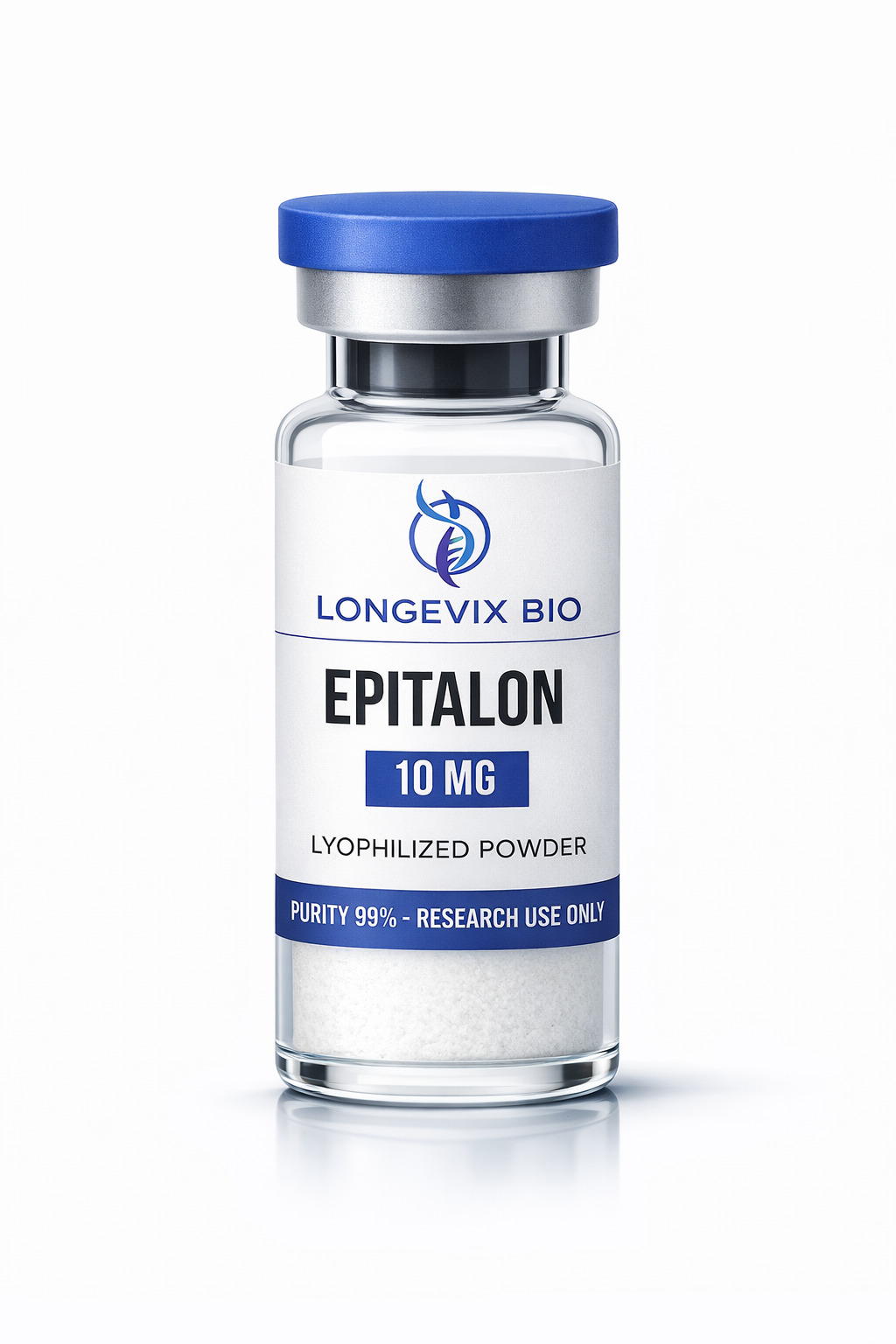
Epithalon — The Longevity Peptide
What Is It?
Epithalon (also written as Epitalon) is a synthetic tetrapeptide consisting of four amino acids: alanine, glutamic acid, aspartic acid, and glycine (Ala-Glu-Asp-Gly). As a natural peptide, it is isolated from epithalamin — a polypeptide produced in the pineal gland.
Epithalon is known for its anti-ageing effects on mammalian cells through the induction of telomerase enzyme activity, resulting in the extension of telomere length. Telomerase is the enzyme that can rebuild telomeres — but in most adult body cells, it’s largely switched off.
For research purposes only. Not for human consumption.
What Are Researchers Studying It For?
🧬 Telomere Maintenance & Cellular Longevity The primary research focus. Research publications from the Khavinson group and independent investigators have reported that Epithalon can reactivate telomerase expression in human somatic cell cultures, potentially extending replicative lifespan in vitro.
😴 Sleep & Circadian Rhythm Beyond telomere biology, Epithalon research has examined its effects on melatonin regulation, hypothalamic-pituitary-adrenal axis normalisation, circadian rhythm restoration, and antioxidant enzyme activity. Poor sleep and disrupted circadian rhythms are themselves drivers of accelerated ageing.
🛡️ Immune Function Russian research teams have published studies examining Epithalon’s effects in human subjects, with reported outcomes including potential improvements in immune function markers, sleep quality measures, and certain hormonal parameters.
👁️ Eye & Retinal Health Early research explored Epithalon’s effects on age-related retinal conditions, with animal studies suggesting potential protective effects on eye tissue — an area where ongoing ageing research continues.
🧠 Mortality & Longevity Data Among the most cited findings in Epithalon research is a long-term study of elderly individuals conducted in Russia, which reported that administration of the peptide complex was associated with a reduction in overall mortality rate compared to placebo over a 12-year follow-up period.


Reviews
There are no reviews yet.