

Description
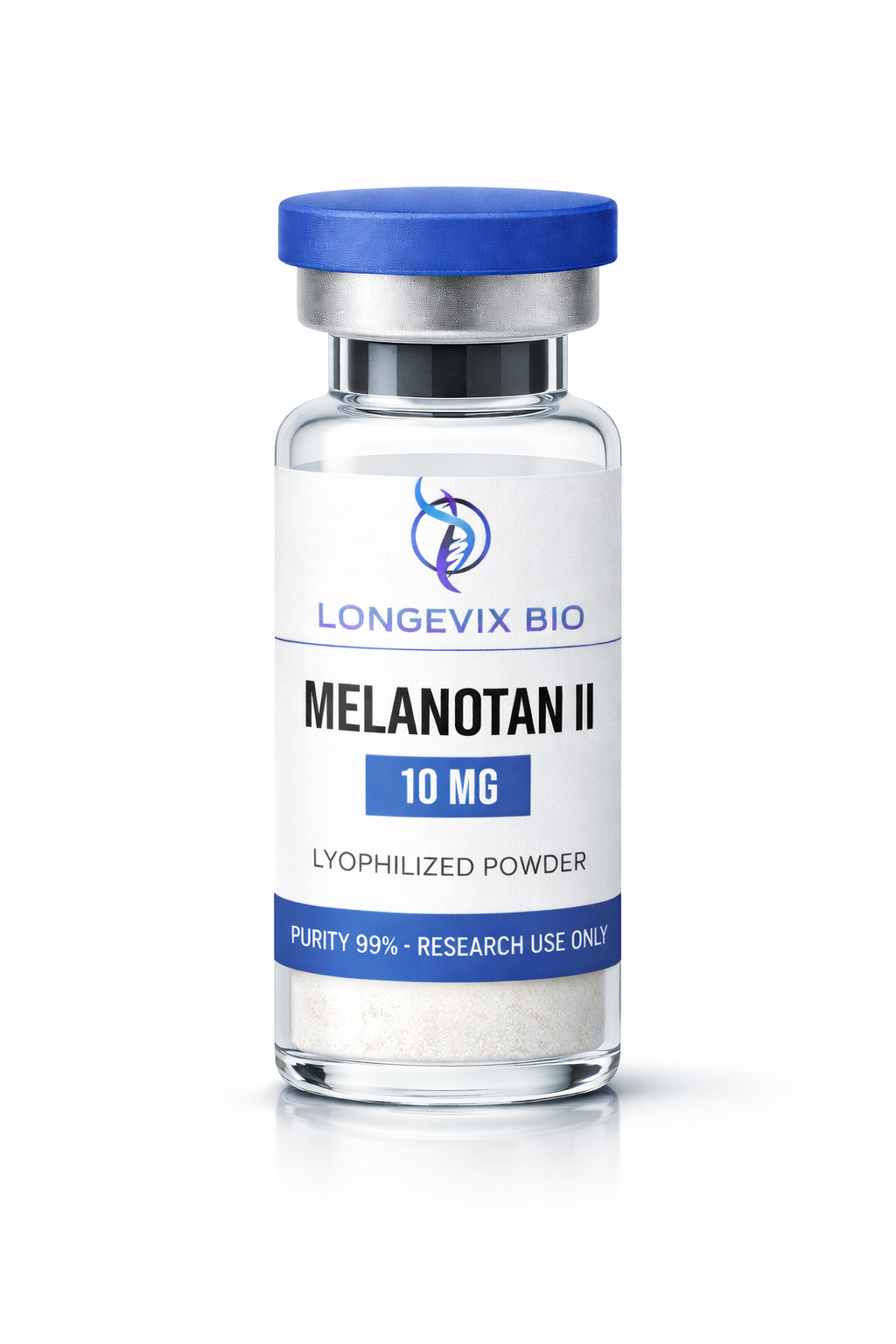
Melanotan II — The Melanocortin Peptide
What Is It?
Melanotan II is a synthetic cyclic peptide analogue of alpha-melanocyte stimulating hormone (α-MSH) — a naturally occurring peptide hormone involved in melanogenesis, the process through which melanocytes produce the pigment melanin.
Originally developed at the University of Arizona in the 1980s, MT-2 was designed to be a more potent and metabolically stable version of α-MSH. Researchers hoped the compound could reduce UV exposure required for tanning, thereby lowering skin cancer risk associated with sun-seeking behaviour.
For research purposes only. Not for human consumption.
What Are Researchers Studying It For?
🌞 Pigmentation & Melanogenesis The original and most studied application. After entering the bloodstream, Melanotan II binds to melanocytes — specialised skin cells in the basal layer of the epidermis — stimulating them to produce and release more melanin, leading to gradual skin darkening that mimics the effects of a sun-induced tan.
🛡️ Immune & Inflammatory Pathways Melanocortin receptors are expressed on a variety of immune and tissue-resident cells including monocytes, macrophages, lymphocytes, and microglia — making Melanotan II a useful research tool for studying immune signalling and inflammatory pathways

Reviews
There are no reviews yet.